
Warm vs Cool Tones: Creating the Right Mood in Your Space
Colour plays a powerful role in how we experience a room. Beyond aesthetics, the tone of a colour — whether warm or cool — can influence the atmosphere, affect our mood, and even alter how spacious or cosy a space feels. Whether you’re decorating your entire home or refreshing a single room, understanding the impact of warm and cool tones is key to creating the right ambiance.
Let’s break down the difference between warm and cool tones and explore how to use them to shape your perfect interior.
What Are Warm and Cool Tones?
At their core, warm tones are colours with red, orange or yellow undertones, while cool tones have blue, green or violet undertones.
- Warm tones: terracotta, beige, mustard, rust, peach, gold
- Cool tones: sage, navy, slate grey, lilac, teal, icy blue
Both families can be light, dark, muted, or bold — and the choice between them often comes down to the kind of feeling you want a space to evoke.
Warm Tones: Cosy, Inviting, and Energising
Warm tones are associated with comfort, energy and sociability. They’re perfect for creating spaces that feel intimate and welcoming — ideal for rooms where people gather or relax.
Best used in:
- Living rooms: Warm neutrals like caramel, taupe or rich ochre create a cocooning effect.
- Dining areas: Terracotta or burnt orange can encourage appetite and conversation.
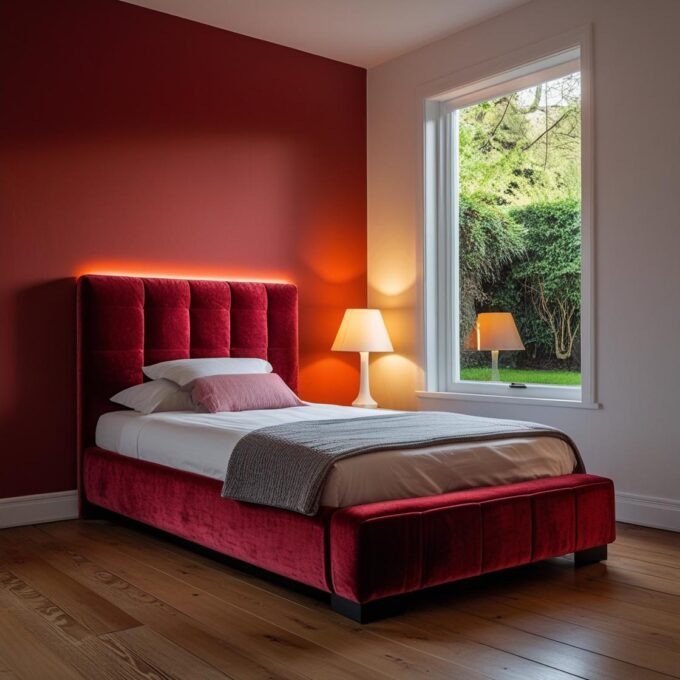
- Bedrooms: Earthy pinks and warm greys make the space feel restful and serene.
Pair with: Natural materials like wood, leather, rattan and warm metals such as brass or copper.
Mood created: Cosy, friendly, relaxed, comforting.
Cool Tones: Calm, Airy, and Sophisticated
Cool tones tend to create a more tranquil and spacious feel. They bring a sense of calm and order — ideal for places where you want to unwind, focus, or breathe a little easier.
Best used in:
- Bathrooms: Soft blues and seafoam greens evoke freshness and cleanliness.
- Home offices: Slate grey or dusty blue encourages focus and productivity.
- Bedrooms: Icy greys, lavender or sage green promote relaxation and sleep.
Pair with: Sleek finishes like chrome or glass, cool-toned woods, and crisp white for contrast.
Mood created: Peaceful, elegant, refreshing, refined.
Mixing Warm and Cool Tones
There’s no rule that says you must stick to one or the other — in fact, mixing warm and cool tones can result in beautifully balanced interiors. The key is to create harmony by choosing one as the dominant base and the other as an accent.
Examples:
- A cool-toned room with warm accents: Think pale grey walls with terracotta cushions and warm timber flooring.
- A warm-toned room with cool accents: Try beige walls and furniture with deep blue accessories or a slate rug for contrast.
This contrast adds visual interest while maintaining a cohesive feel.
Lighting and Tone
It’s important to remember that lighting can dramatically affect how a colour appears. Natural daylight shows the truest form of a colour, while artificial lighting can shift its appearance:
- Warm lighting (like soft yellow bulbs) enhances warm tones and can dull cooler hues.
- Cool lighting (like daylight LEDs) can make warm tones appear more muted and intensify cool tones.
Always test paint and furnishings in your space under different lighting conditions before committing.
Choosing the Right Tone for You
When selecting between warm and cool tones, consider:
- Function: Is the room for relaxing, entertaining, working?
- Size: Cool tones can open up small spaces, while warm tones can make large rooms feel more intimate.
- Natural light: North-facing rooms (cooler light) benefit from warm tones, while south-facing rooms (warmer light) handle cool tones well.
- Mood: Think about how you want to feel in the space — energised, calm, cosy, refreshed?
Final Thoughts
Whether you’re drawn to the cosy embrace of warm tones or the soothing calm of cooler shades, understanding their emotional and visual impact allows you to curate a space that truly works for you. With a thoughtful balance — and a little experimentation — you can design a home that feels just right, in every season and for every mood.










Leave a comment