
Lighting is often overlooked in home design, yet it plays a fundamental role in shaping the atmosphere, functionality, and even the mood of each room. Proper lighting can enhance your décor, improve your wellbeing, and make daily tasks easier and more enjoyable. Whether you’re redecorating, renovating, or simply looking to refresh your space, understanding the importance of lighting in every room is essential for creating a comfortable and inviting home.
Why Proper Lighting Matters
Good lighting is more than just brightness—it’s about balance, placement, and the quality of light. The right lighting supports your lifestyle, complements the purpose of each room, and highlights the best features of your home.
Benefits of proper lighting include:
- Enhancing mood and energy levels
- Reducing eye strain and improving visibility
- Defining the style and character of a space
- Increasing safety and security
- Supporting health and wellbeing by regulating natural rhythms
Lighting for Different Rooms: What You Need to Know
Each room in your home has unique lighting requirements, depending on its function and layout. Here’s a room-by-room guide to help you choose the right lighting.
1. Living Room
The living room is a multi-purpose space for relaxing, entertaining, and spending time with family. Layered lighting is key here.
- Ambient lighting: A central ceiling light or recessed lights provide general illumination.
- Task lighting: Floor lamps or table lamps near seating areas for reading or hobbies.
- Accent lighting: Spotlights or wall sconces to highlight artwork or architectural features.
Tip: Use dimmers to adjust the mood—from bright and lively to soft and cosy.
2. Kitchen
Kitchens require bright, focused lighting to ensure safety and efficiency during cooking.
- Task lighting: Under-cabinet LEDs or pendant lights above worktops and islands.
- Ambient lighting: Ceiling-mounted fixtures or recessed lights for overall brightness.
- Accent lighting: Decorative pendants or lighting inside glass cabinets for style.
Tip: Choose daylight or cool white bulbs (around 4000K) for clarity and energy.
3. Dining Room
Lighting in dining areas sets the tone for meals and socialising.
- Feature lighting: A pendant or chandelier over the table creates a focal point.
- Ambient lighting: Wall sconces or dimmable ceiling lights for versatility.
- Accent lighting: Candles or small lamps add intimacy and warmth.
Tip: Position lighting so it doesn’t cast harsh shadows on faces or food.
4. Bedroom
Bedrooms are for rest and relaxation, so lighting should be soft and calming.
- Ambient lighting: Soft ceiling lights or recessed downlights with dimmer controls.
- Task lighting: Bedside lamps or wall-mounted reading lights with adjustable arms.
- Accent lighting: Fairy lights, LED strips, or candles for gentle ambience.
Tip: Avoid blue or bright white lights in the evening to promote better sleep.
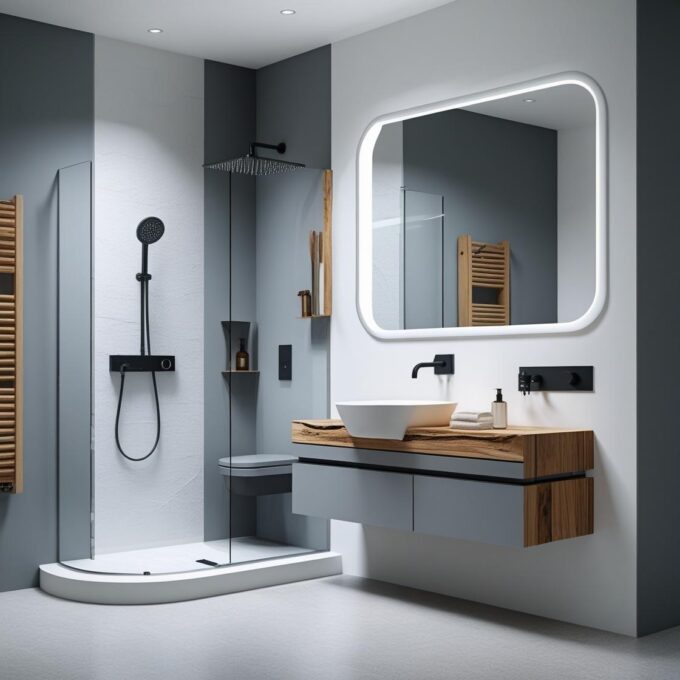
5. Bathroom
Bathrooms need a combination of bright, functional lighting and softer mood lighting.
- Task lighting: Around mirrors for shaving or applying makeup—use daylight bulbs to show true colours.
- Ambient lighting: Ceiling lights that are safe for damp environments.
- Accent lighting: Under-cabinet or wall lights for a spa-like feel.
Tip: Ensure all fittings are rated for bathroom use and positioned to avoid shadows on the face.
6. Home Office
With more people working from home, well-planned lighting is vital for productivity and comfort.
- Task lighting: A bright desk lamp with adjustable angles.
- Ambient lighting: Overhead light that doesn’t cause glare on screens.
- Natural light: Position your desk near windows where possible.
Tip: Use bulbs with a cool white temperature to help maintain focus and alertness.
7. Hallways and Staircases
These often-overlooked areas need safe, sufficient lighting without harsh glare.
- Ambient lighting: Wall sconces or recessed lights along corridors.
- Accent lighting: Spotlights on artwork or architectural details.
- Safety lighting: Motion-sensor lights or night lights for ease of navigation.
Tip: Use warm white bulbs to create a welcoming path through your home.
Final Thoughts
Proper lighting transforms your home, making it feel more spacious, inviting, and functional. By considering the specific needs of each room and layering different types of lighting—ambient, task, and accent—you can craft a home that supports every moment of your day.
Lighting isn’t just about fixtures; it’s about how light interacts with your space and your lifestyle. Thoughtful lighting choices will enhance your wellbeing, bring your décor to life, and ensure every room works beautifully for you.







Leave a comment