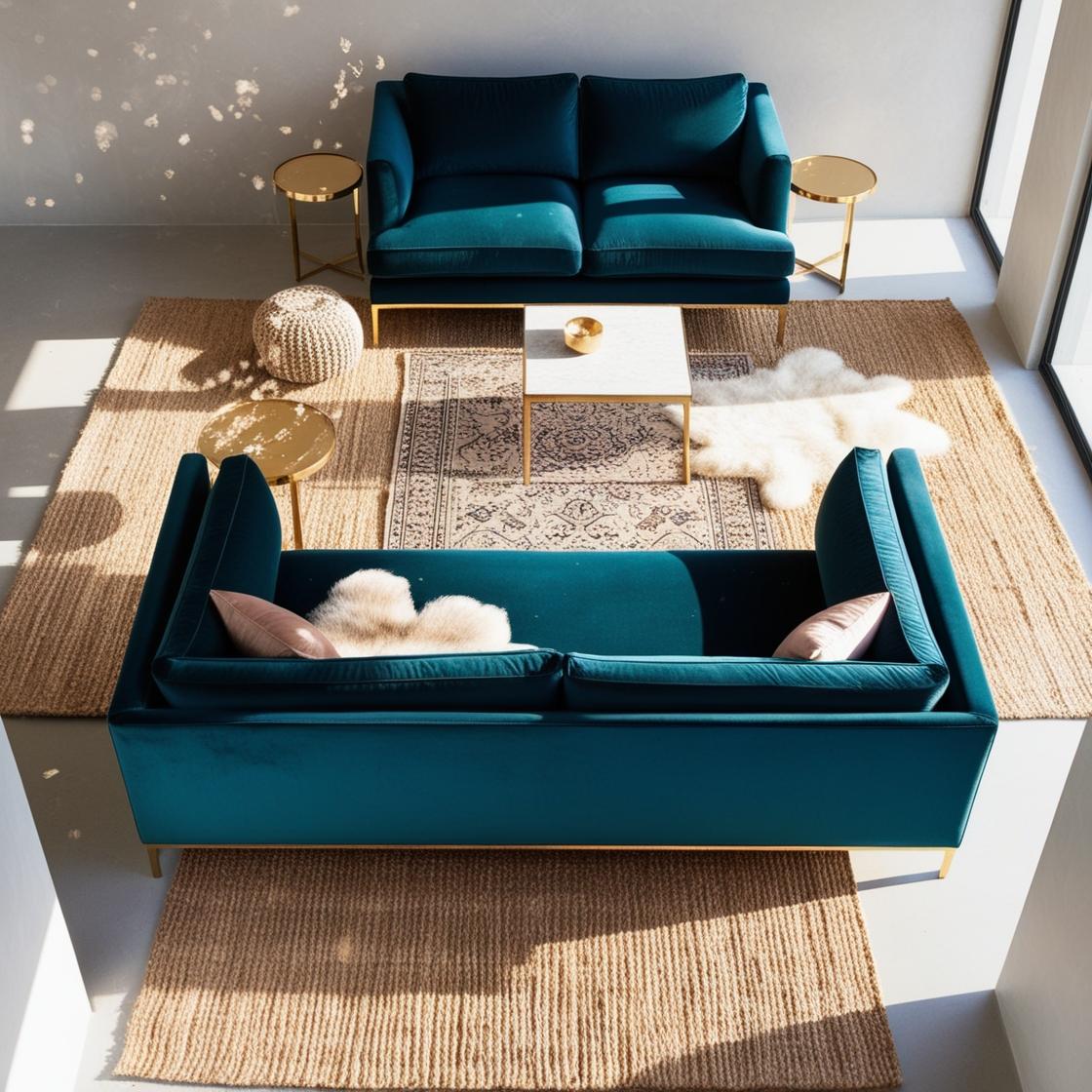
When it comes to transforming a room, many people think big—repainting walls, replacing furniture, or investing in statement pieces. But sometimes, it’s the smaller elements that create the most impact. One of the easiest and most stylish ways to refresh your space is by using small rugs—and more specifically, layering them.
Layering rugs isn’t just practical (ideal for rental homes or chilly floors), it’s also a design-savvy trick that brings depth, texture, and a curated feel to any room. Whether your style is contemporary, eclectic, boho or minimalist, here’s how to use small rugs to achieve a modern, layered look.
1. Start with a Neutral Base
Begin with a larger, neutral rug as your foundation. This could be a flat-weave jute, sisal, or low-pile wool rug in a soft, natural tone like beige, ivory, or stone grey. It grounds the space, adds warmth, and acts as a canvas for more eye-catching rugs on top.
Tip: The base rug should be large enough to anchor your furniture, even if the top rug is much smaller.
2. Layer with Colour, Pattern or Texture
Now for the fun part—add a smaller rug on top to introduce pattern, colour or contrast. This is where you can get creative: think bold geometrics, Moroccan-inspired prints, rich vintage tones, or shaggy textures. The top rug doesn’t need to be perfectly centred; off-setting it slightly can give a more relaxed, modern vibe.
Try this: A richly patterned Persian-style rug layered over a plain jute base brings warmth and sophistication to a minimalist living room.
3. Mix Materials for Contrast
Layering is as much about texture as it is about colour. Pair a soft sheepskin or faux fur rug with a woven base, or contrast a silky viscose runner with a natural wool rug. This adds depth and visual interest, while making the space feel more tactile and inviting.
Perfect for: Bedrooms, reading corners, or under a small desk or dressing table.
4. Use Rugs to Define Zones
In open-plan or multi-use spaces, layering small rugs can help define different zones without the need for walls or bulky furniture. Try placing a vibrant rug under a coffee table to mark out a lounge area, or layer rugs beneath a small dining table to create a cosy eating nook.
Bonus tip: Use runners or small mats to guide the eye through narrow areas like hallways or in between furniture groupings.
5. Don’t Be Afraid to Play with Shape
While rectangles are classic, mixing shapes can elevate your look. Layer a circular rug over a square one, or use an irregular sheepskin atop a traditional rectangular rug. These combinations can soften harsh angles and add movement to a room.
Good to know: Rug pads or underlays are essential for keeping layered rugs secure and preventing bunching or slipping—especially in high-traffic areas.
Final Thoughts
You don’t need a massive rug—or a massive budget—to make a big impression. With a little creativity, small rugs can create layered, modern looks that bring texture, comfort and a designer feel to any room. Whether you’re adding warmth to a flat, refreshing a tired corner, or simply playing with pattern and texture, layering rugs is an easy and effective way to make your space feel curated and stylish.
So unroll your creativity, and let the layering begin.






Leave a comment