
Maintaining good indoor air quality is essential for ensuring a healthy living environment. Poor air quality can lead to respiratory issues, allergies, and even long-term health problems. Fortunately, with proper cleaning techniques, smart maintenance strategies, and a few lifestyle adjustments, you can significantly improve the air quality in your home. This comprehensive guide will walk you through the best practices for cleaning and maintaining healthy air in your living spaces.
1. Understand Common Indoor Air Pollutants
Before improving your home’s air quality, it’s important to understand the common pollutants that may be affecting it:
- Dust and Dust Mites: These microscopic particles accumulate on surfaces, carpets, and bedding.
- Pet Dander: Animal skin flakes can contribute to respiratory irritation.
- Mould and Mildew: These fungi thrive in damp environments and release harmful spores.
- Volatile Organic Compounds (VOCs): Found in cleaning products, paints, and adhesives, VOCs can emit harmful gases.
- Pollen and Outdoor Particles: These pollutants often enter through windows or on clothing.
- Carbon Monoxide and Radon: Harmful gases that require specific detectors to identify.
2. Establish a Regular Cleaning Routine
A consistent cleaning routine is essential for minimising pollutants. Focus on areas where dust and allergens commonly gather:
Living Areas and Bedrooms:
- Dust all surfaces using a damp cloth to capture particles rather than dispersing them.
- Vacuum carpets, rugs, and upholstery weekly using a vacuum with a HEPA filter.
- Wash bedding, pillowcases, and curtains regularly in hot water.
Kitchen:
- Clean stovetops, range hoods, and oven vents to reduce grease buildup.
- Regularly disinfect work surfaces to prevent bacteria growth.
Bathroom:
- Scrub tiles, grout, and shower curtains to prevent mould and mildew.
- Ensure bathroom fans are clean and functional for improved ventilation.
3. Improve Ventilation and Air Circulation
Proper ventilation is crucial for reducing indoor air pollution. Follow these tips to improve airflow in your home:
- Open windows whenever possible to allow fresh air to circulate.
- Use exhaust fans in kitchens and bathrooms to remove odours and moisture.
- Consider installing trickle vents on windows to improve passive airflow.
4. Invest in Air Purifiers
Air purifiers are effective at removing pollutants and allergens from indoor air. When selecting an air purifier, look for one with a HEPA filter to capture fine particles like pollen, dust mites, and smoke.
Best Practices for Using Air Purifiers:
- Position purifiers in high-traffic areas like living rooms and bedrooms.
- Replace filters as recommended to ensure optimal performance.
- Consider air purifiers with activated carbon filters to remove odours and VOCs.
5. Control Humidity Levels
Managing indoor humidity is key to preventing mould, mildew, and dust mites. Aim for humidity levels between 30% and 50% for optimal comfort and air quality.
Tips to Control Humidity:
- Use a dehumidifier in damp areas such as basements.
- Fix leaks and address water damage promptly to prevent mould growth.
- Use air conditioning units to manage moisture in warmer months.
6. Choose Natural Cleaning Products
Many traditional cleaning products contain harsh chemicals that emit VOCs. Switching to natural, eco-friendly alternatives can help reduce airborne toxins.
Safer Cleaning Solutions:
- Use vinegar, baking soda, and lemon juice for natural cleaning power.
- Avoid aerosol sprays and heavily perfumed products.
- Consider essential oil diffusers for a natural, fresh scent.
7. Maintain Your HVAC System
Your heating, ventilation, and air conditioning (HVAC) system plays a crucial role in circulating clean air throughout your home. Regular maintenance is vital to ensure efficient performance.
HVAC Maintenance Checklist:
- Change air filters every 1-3 months, especially in homes with pets or allergy sufferers.
- Schedule professional HVAC servicing annually to inspect ducts and vents.
- Clean air vents and grilles to prevent dust accumulation.
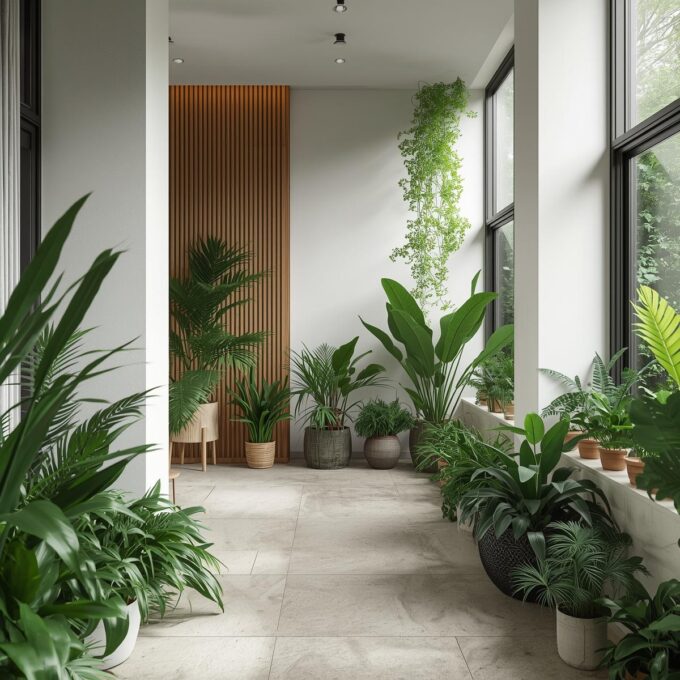
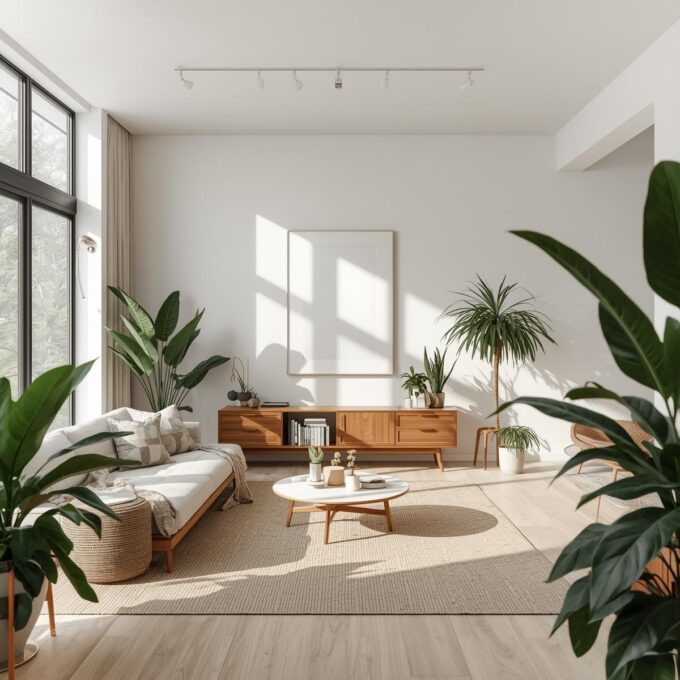
8. Incorporate Indoor Plants for Cleaner Air
Houseplants can naturally purify indoor air by absorbing toxins and producing oxygen. Popular air-purifying plants include:
- Peace Lily: Excellent for removing ammonia and formaldehyde.
- Spider Plant: Known for reducing carbon monoxide and VOC levels.
- Snake Plant: Efficient at filtering indoor air and requires minimal maintenance.
9. Eliminate Smoke and Odours
Cigarette smoke, candles, and cooking odours can compromise air quality. Reducing these sources will help keep your indoor air fresh.
Best Practices:
- Establish designated smoking areas outdoors.
- Use extractor fans while cooking to remove odours and grease particles.
- Avoid scented candles with synthetic fragrances; opt for soy or beeswax alternatives.
10. Test for Harmful Gases
Invisible gases like carbon monoxide and radon pose serious health risks. Regular testing can provide peace of mind.
- Install carbon monoxide detectors in key areas like bedrooms and living rooms.
- Test for radon levels, particularly in basements or ground-floor spaces.
- Ensure gas appliances are properly ventilated and regularly inspected.
11. Wash and Replace Air Filters
Many household appliances use filters that require regular cleaning or replacement. Common appliances to check include:
- Vacuum cleaners
- Air purifiers
- HVAC systems
- Kitchen extractor fans
Following manufacturer guidelines for cleaning and replacing filters will ensure efficient performance.
12. Reduce Clutter to Minimise Dust
Excessive clutter attracts dust and limits airflow. Keeping surfaces clear will make cleaning easier and improve air circulation.
Decluttering Tips:
- Store books, magazines, and textiles in closed cabinets to reduce dust buildup.
- Regularly clean shelves, ornaments, and decorative items.
- Minimise soft furnishings, which can trap dust and allergens.
13. Encourage Shoe-Free Policies
Shoes can track dirt, pollen, and other outdoor pollutants into your home. Implementing a shoe-free policy will help reduce indoor contaminants.
Shoe-Free Zone Tips:
- Provide a designated shoe rack at the entrance.
- Encourage guests to use indoor slippers or socks.
14. Regularly Wash Fabrics and Textiles
Upholstery, curtains, and rugs can trap allergens and dust. Regular washing is key to maintaining cleaner air.
Washing Guide:
- Wash curtains, throws, and cushion covers every 2-3 months.
- Steam clean upholstery and carpets at least once a year.
- Use hypoallergenic bedding to reduce dust mites.
Conclusion
Maintaining clean air in your home requires a combination of diligent cleaning, smart ventilation strategies, and thoughtful lifestyle adjustments. By identifying common pollutants, investing in air-purifying solutions, and implementing a regular maintenance routine, you can significantly improve your home’s air quality. The result is a healthier, fresher, and more comfortable living space for you and your family.








Leave a comment