How to Arrange Rugs to Draw the Eye Across a Space
Rugs are more than just floor coverings—they are powerful tools in interior design that can define spaces, create visual pathways, and anchor a room’s aesthetic. One of their most transformative abilities lies in how they can guide the eye across a space, creating a dynamic and intentional focal point.
In this blog, we’ll explore how rugs impact focal points, highlight the top five rug styles for 2025, and offer tips on how to layer rugs effectively to enhance your room’s flow and visual appeal.
The Impact of Rugs as Focal Points
When arranged thoughtfully, rugs can act as a room’s focal point or subtly guide the eye to other features. The patterns, coloUrs, and placement of rugs play a significant role in influencing how a space is perceived. Here’s how rugs impact a room’s visual dynamics:
- Define Areas in Open Spaces: In open-plan homes, rugs help define zones like the living, dining, or workspace areas without physical barriers.
- Lead the Eye Across the Room: Rugs with directional patterns or layered arrangements can create a sense of movement, making the space feel dynamic and purposeful.
- Highlight Furniture and Décor: A rug under a coffee table, dining set, or bed anchors these pieces, drawing attention to the furniture arrangement.
- Create Depth: Layering rugs with varying textures and patterns adds dimension and interest to a room, making it feel more cohesive and thoughtfully designed.
- Set the Tone: A bold rug can become a statement piece, while a neutral one can support other design elements.
Top 5 Rug Styles for 2025
Stay ahead of the trends with these top rug styles for 2025, each designed to enhance your space with style and functionality:
1. Sculptural and 3D Textures
Rugs with raised patterns and sculptural designs add a tactile, modern vibe. These are perfect for creating depth and drama in minimalistic spaces.
2. Organic Patterns
Inspired by nature, organic patterns mimic flowing rivers, stone textures, or leaf designs. These rugs bring an earthy, calming touch to interiors.
3. Muted Maximalism
Rugs with intricate designs but in softer, muted tones combine maximalist patterns with a minimalist palette, offering versatility for various aesthetics.
4. Monochrome Graphics
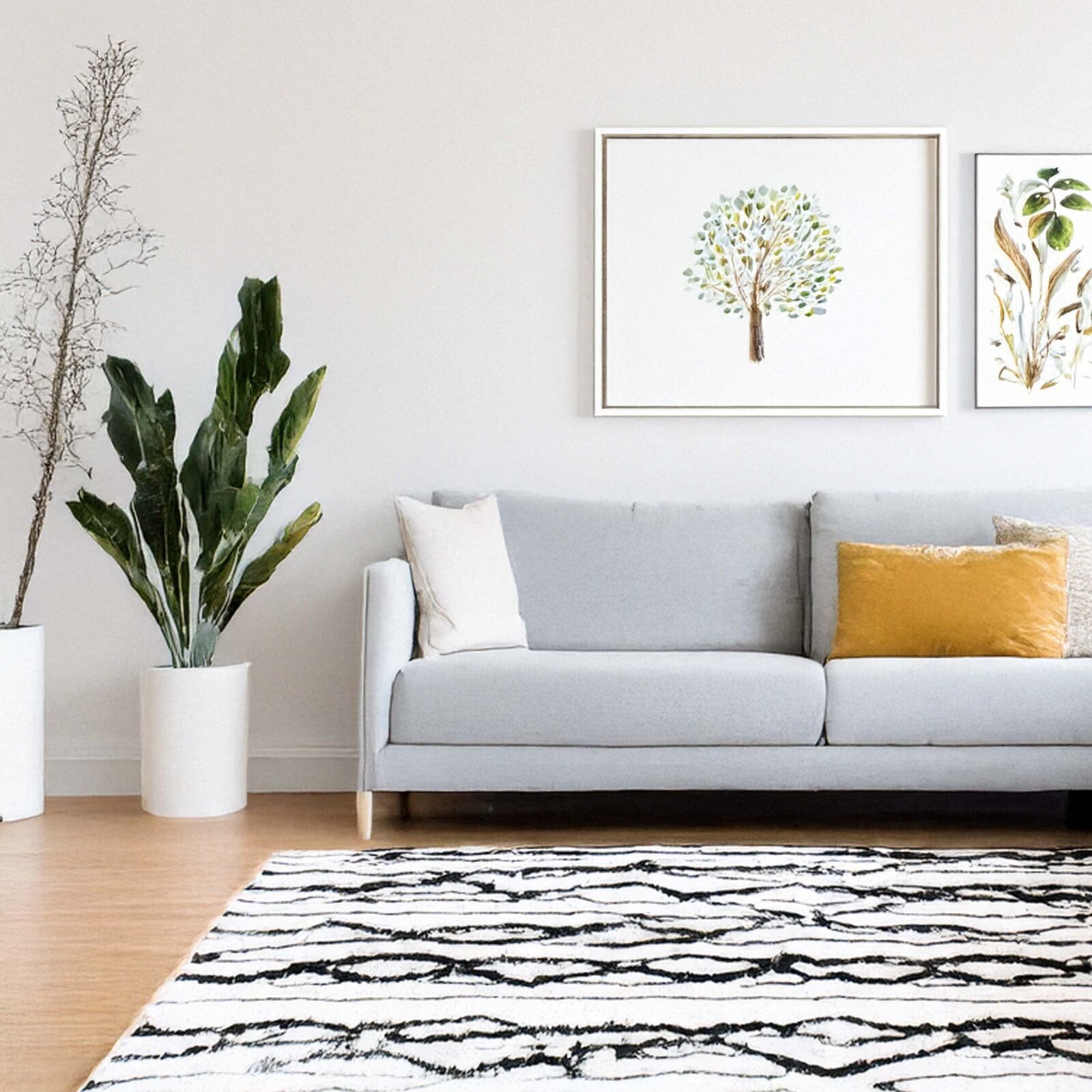
High-contrast black-and-white rugs with bold geometric shapes or artistic sketches are making a strong comeback, ideal for contemporary spaces.
5. Eco-Friendly Materials
Rugs made from recycled or sustainable materials, such as jute, hemp, or PET fibres, align with eco-conscious design trends while offering natural textures.
How to Arrange Rugs to Draw the Eye Across a Space
Arranging rugs is about more than just placing them under furniture. Thoughtful placement can create flow and emphasise focal points, making the room more engaging and harmonious. Here are practical tips for using rugs to guide the eye:
1. Anchor with a Large Area Rug
Use a large area rug as the foundation of your design. Place it under key furniture pieces, like a sofa and coffee table, ensuring the front legs of all furniture rest on the rug.
Choose rugs with a pattern or colour gradient that subtly directs the eye toward a specific area, like a fireplace or statement art piece.
2. Use Runners to Create Pathways
Runners are ideal for long, narrow spaces or creating a visual “path” through a larger room.
Position a runner in hallways, between a sofa and TV console, or alongside a bed to naturally lead movement and attention.
3. Experiment with Rug Layering
Layering rugs adds dimension and can guide the eye through the room. Follow these steps for effective layering:
- Choose a Base Rug: Start with a larger, neutral rug as the base. This creates a foundation that doesn’t overpower the space.
- Add a Smaller, Bold Rug: Place a smaller, patterned or textured rug at an angle or directly over the base rug. This creates a focal point and adds personality.
- Play with Textures: Mix textures, such as pairing a flat-weave rug with a plush, shaggy rug, to enhance depth.
- Highlight Furniture: Position the layered rugs under a coffee table, bed, or dining table to anchor the arrangement.
- 4. Direct Attention with Patterns
Rugs with directional patterns, such as chevrons, stripes, or linear designs, can guide the eye across the room. Align the pattern to point toward a feature, like a window with a view or a gallery wall.
5. Align Rugs with Architectural Features
Place rugs parallel to architectural lines, such as fireplaces, large windows, or accent walls, to enhance symmetry and flow.
6. Separate Zones in Open-Plan Spaces
Use rugs to clearly define zones in open layouts. For example:
- A bold, colourful rug for the living area.
- A neutral, textured rug for the dining area.
- A small accent rug for a reading nook.
Best Practices for Rug Placement
To make the most of your rugs, here are some placement tips tailored to specific rooms:
- Living Room: The rug should extend at least 6 inches under all furniture in the seating area. For smaller spaces, opt for rugs that accommodate only the front legs of furniture.
- Bedroom: Position a large rug under the bed, ensuring it extends beyond the sides by at least 18–24 inches. Alternatively, use two runners on each side of the bed for a symmetrical look.
- Dining Room: The rug should be large enough to accommodate the dining table and all chairs, even when pulled out.
- Entryway: A bold rug can make a statement in this small area, setting the tone for the rest of the home.
Conclusion
Rugs are an essential element in interior design, offering both functional and aesthetic benefits. By understanding their impact on focal points, embracing 2025’s top styles, and mastering the art of layering, you can transform any room into a visually engaging and harmonious space. Whether you’re using a bold statement rug or layering textures for depth, rugs have the power to guide the eye, define areas, and elevate your design.
Experiment with these ideas in your home, and let rugs lead the way to a more dynamic and inviting interior.





Leave a comment