The Rise of Biophysical Design
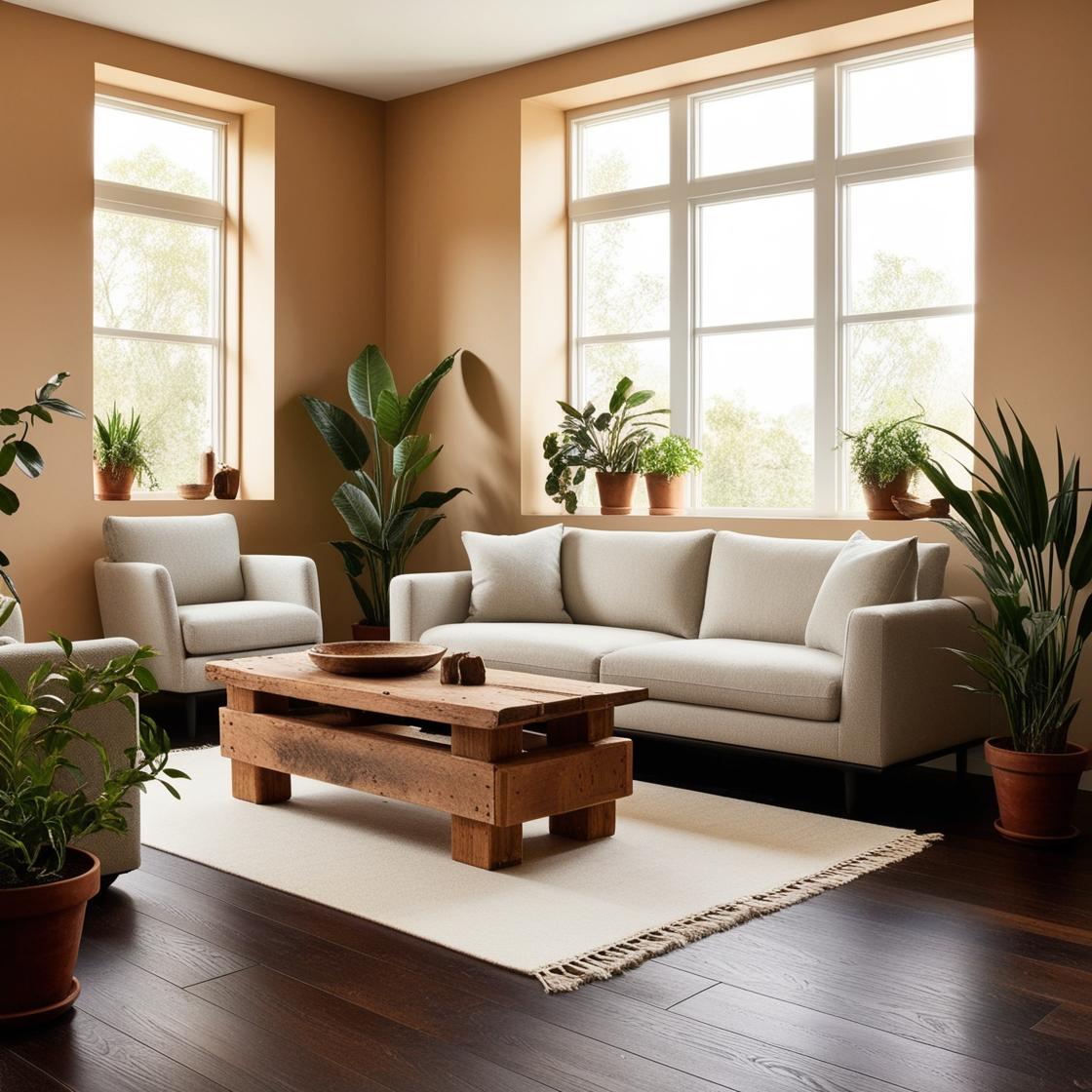
At the heart of biophysical design is the belief that humans are innately drawn to the natural world—a concept known as biophilia. While biophilic design has been on the radar for some time, biophysical design pushes further, integrating natural systems, cycles, and processes into the built environment.
This approach considers:
Natural Materials: Using untreated or minimally processed elements like wood, rattan, stone, cork, bamboo, hempcrete, and clay.
Environmental Harmony: Designing with sunlight, airflow, and seasonal patterns in mind to reduce energy consumption and enhance comfort.
Circular Thinking: Embracing sustainable, regenerative materials and processes that minimise waste and carbon footprint.
Living Systems: Incorporating indoor ecosystems such as aquaponic herb gardens, green roofs, or air-purifying plant walls.
Whether in a city flat or countryside retreat, these features help transform static interiors into dynamic, life-affirming spaces.
Earthy Tones: The Emotional Colour Spectrum
Colours are more than just decoration—they shape how we feel. In 2025, colour palettes have taken a deeply soothing turn, embracing earthy tones that reflect the landscapes we long to escape to.
Here’s what’s trending:
Terracotta and Rust: Warm, grounding, and reminiscent of sunbaked clay or autumn leaves.
Olive and Sage Greens: Symbolic of growth, peace, and connection to nature.
Ochre and Mustard Yellows: Sun-inspired tones that bring optimism and brightness.
Warm Neutrals: From sandy beige to coffee-toned taupe, these hues create a sense of softness and calm.
Used together, these colours evoke a sense of familiarity and timelessness, reducing visual overstimulation and promoting mindfulness in daily life.
Where Design Meets Wellness
One of the most powerful aspects of biophysical design is its impact on well-being. Research continues to confirm what ancient civilisations always knew—being close to nature makes us feel better.
Key wellness benefits include:
Reduced Stress & Anxiety: Natural light and organic textures are proven to lower cortisol levels and ease tension.
Improved Air Quality: Living plants, natural ventilation, and toxin-free materials support better respiratory health.
Enhanced Focus & Productivity: Perfect for hybrid workers, environments that mimic nature improve attention spans and cognitive performance.
Mood Elevation: A connection to nature triggers positive emotions, boosting morale and even creativity.
Incorporating these elements into homes, schools, hospitals, and offices makes sense not only from an aesthetic point of view—but also a psychological one.
How to Bring These Trends into Your Space
You don’t need a complete overhaul to embrace biophysical design and earthy tones. Here are some accessible ways to introduce this ethos into your space:
Layer Natural Textures: Use woven rugs, linen curtains, wooden furniture, and ceramics to add depth and warmth.
Paint with Intention: Opt for muted tones like clay pink, moss green, or sandstone beige. These shades can transform a sterile room into a cocoon of calm.
Create a Plant Zone: Dedicate a corner to a vertical garden, hanging planters, or a variety of indoor plants with different leaf shapes and sizes.
Let Light Lead: Maximise natural light by positioning mirrors strategically or using sheer curtains. Consider a skylight or sun tunnel for darker areas.
Use Scent and Sound: Natural essential oils (think cedarwood, lavender, eucalyptus) and background soundscapes (like birdsong or ocean waves) create a multi-sensory nature experience.
Looking Ahead: The Nature-Inspired Future
As climate awareness grows and digital fatigue sets in, our collective craving for authentic, nature-aligned living only intensifies. Architects, designers, and homeowners alike are rethinking how we shape our environments—from large-scale urban planning to the cushions on our sofa.
In 2025, design is not just about how something looks, but how it feels, functions, and sustains. Biophysical design and earthy tones offer a way forward—one that respects the planet, nurtures the soul, and celebrates the beauty in simplicity.
So whether you’re redesigning your living room, developing a wellness retreat, or reimagining a workspace—remember: sometimes the most modern thing we can do is return to nature.








Leave a comment