
When it comes to interior design, there’s something magical about blending the old with the new. Combining modern and vintage elements can create a dynamic, timeless look that adds character and warmth to any space. One of the most effective ways to achieve this balance is through art. Whether you’re an enthusiast of contemporary design, or you’ve inherited a collection of vintage masterpieces, there’s no reason why both styles can’t coexist beautifully.
Here’s how to mix modern and vintage art seamlessly, no matter your interior design style.
1. Define Your Aesthetic
Before you start mixing modern and vintage art, it’s essential to understand the overall aesthetic of your space. Are you drawn to sleek, minimalist interiors, or do you prefer the eclectic charm of a more traditional or bohemian style? Knowing your design direction will guide your choices and help you strike the perfect balance.
Tip: Modern art can often be bold, abstract, or minimalist, while vintage pieces might lean more towards classical, ornate, or retro styles. Think about how each piece will contribute to the vibe of your room.
2. Create Harmony with Colour
Colour is one of the most effective tools when mixing modern and vintage art. If you’re working with both, try to find common ground in the colour palettes of your pieces. This doesn’t mean everything needs to match exactly—just look for complementary tones or shades that create visual harmony.
For example, if your vintage art is rich in earthy tones, you can pair it with modern pieces that feature more muted or neutral colours—like greys, whites, or muted pastels. The idea is to create a colour story that flows smoothly across your walls, linking both styles without clashing.
Try this: A modern abstract painting in shades of navy and gold can pair beautifully with a vintage piece of art in warm browns or ochres, as long as the gold tones are repeated in both.
3. Mix Frames to Add Depth
One of the simplest ways to blend modern and vintage art is by varying the frames. Vintage artworks often come with more ornate or traditional frames—think wooden, gilded, or with intricate detailing. In contrast, modern art tends to be framed in sleek, minimal frames, or sometimes even left unframed.
To create a more cohesive look, mix frame styles thoughtfully. Consider combining a modern print in a slim metal frame with a vintage oil painting in a more ornate wooden frame. This contrast can add depth and interest to the space, allowing each artwork to shine while maintaining a balanced overall look.
Tip: When layering frames, try to keep their colours in the same palette (e.g., all black, gold, or natural wood) to avoid overwhelming the space.
4. Find a Common Theme or Style
Another effective way to mix modern and vintage art is by finding a common theme or subject matter. For instance, you might have a vintage botanical print that sits beautifully next to a modern abstract piece with organic forms or natural patterns. The shared theme or motif can unify the artworks, making them feel connected despite the differences in style.
Try this: A vintage landscape painting could be paired with a modern photograph of nature, or you could mix a vintage portrait with a contemporary piece that plays with faces or figures. The key is to find something that ties the pieces together—whether it’s colour, theme, or subject matter.
5. Don’t Be Afraid of Mixing Mediums
Modern and vintage art don’t always have to be in the same medium. In fact, mixing different art forms can create a truly eclectic and personalised space. While vintage art might be in the form of oil paintings or watercolours, modern art could come in the form of graphic prints, photography, or even sculpture.
Consider introducing some mixed-media elements to bring variety into your space. A vintage painting on canvas can look stunning next to a modern digital print or even a contemporary sculpture. The contrast between the two styles will add a layer of interest, and the variety of mediums will create a balanced, multi-dimensional display.
6. Consider Placement and Layout
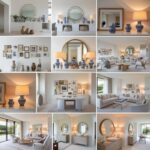
Where you place your art is just as important as the artwork itself. When styling a room, think about the relationship between modern and vintage pieces and how they interact with each other. For example, in a contemporary space, you might want to use vintage art as an accent piece, while in a more traditional setting, a modern print can create a striking contrast against the background of antique furniture.
Try this: For a gallery wall, place your vintage pieces in the centre of the display and surround them with modern artworks to create a balanced yet dynamic arrangement. Or, stagger the placement of the pieces across the room to guide the eye naturally between the two styles.
7. Embrace the Unexpected
One of the joys of mixing modern and vintage art is the surprise element. Unexpected combinations can yield the most interesting results. You don’t need to match everything perfectly—sometimes, the contrast between modern and vintage creates an exciting visual dialogue that adds character to your space.
Tip: Don’t be afraid to break the rules and trust your instincts. If a bold modern piece feels right next to an antique artwork, go with it. The beauty of mixing styles is that it’s entirely personal, and there are no hard and fast rules.
Final Thoughts
Mixing modern and vintage art is all about balance. By thoughtfully considering colour, frame style, subject matter, and placement, you can create a space that feels curated and cohesive. The result is a dynamic, multi-layered interior that celebrates both the old and the new, creating a timeless look that reflects your unique taste.
So go ahead—embrace the beauty of contrast, and let modern and vintage art elevate your space.






Leave a comment