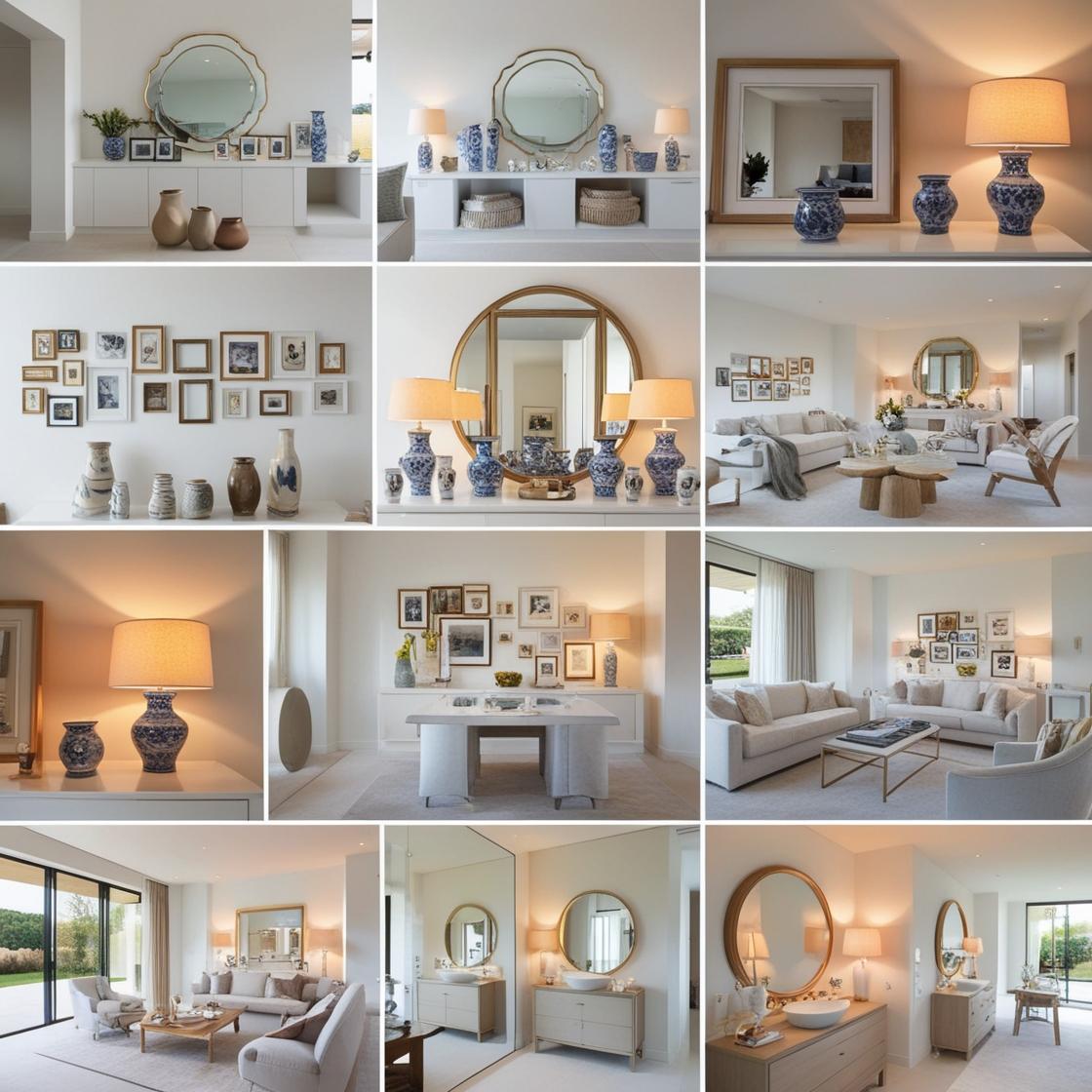
When it comes to decorating compact spaces, every detail counts. Clever design choices can transform a room from cramped to cosy, from dull to dynamic. One of the most effective—and often overlooked—strategies for opening up a smaller space is the use of reflective surfaces. From classic mirrors to glossy finishes and metallic accents, reflective elements bounce light, create the illusion of depth, and bring a sense of lightness to even the smallest of rooms.
Here’s how to use mirrors and other reflective surfaces to make your space feel bigger, brighter, and more beautifully put together.
1. Use Mirrors to Reflect Light and Views
A well-placed mirror can work wonders in a small space. By reflecting natural light, it instantly brightens the room and makes it feel larger. Position a large mirror opposite a window to maximise daylight, or place one behind a lamp to double the light source. Full-length mirrors are particularly effective in narrow hallways or bedrooms, creating the illusion of added height and space.
Top tip: Choose mirrors with minimal frames or light-coloured edging for a subtle, modern look that doesn’t overwhelm.
2. Create a Focal Point with Statement Mirrors
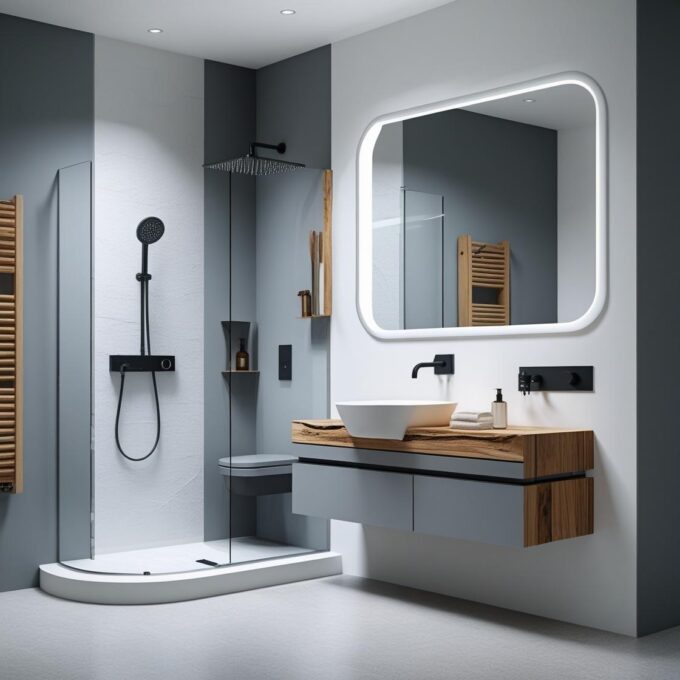
A statement mirror isn’t just practical—it’s also a design feature. Oversized mirrors or those with unusual shapes, bevelled edges or antique finishes can act as artwork in their own right. Use a bold mirror above a fireplace, console table or bed to draw the eye and add character without cluttering the space.
Try this: A round mirror in a small bathroom or above a compact sideboard can soften sharp lines and add elegance.
3. Incorporate Reflective Furniture and Finishes
Beyond mirrors, reflective materials such as high-gloss lacquer, glass, and polished metal can subtly amplify light and create a feeling of openness. Mirrored side tables, glass coffee tables, or chrome light fixtures add a touch of glamour while serving a practical purpose.
Ideal for: Small living rooms, dressing areas, and entryways where you want to keep things feeling airy and light.
4. Use Mirrored Panels or Splashbacks
In very compact areas—such as small kitchens or cloakrooms—consider installing mirrored panels or splashbacks. These surfaces reflect the surrounding area, visually doubling the size of the space. In kitchens, a mirrored splashback adds contemporary style while bouncing light around the room.
Bonus tip: If a full mirror feels too much, consider mirror tiles or tinted glass for a subtler effect.
5. Layer Reflective Accessories
Even small accents can make a big difference. Think metallic vases, glossy picture frames, crystal candle holders or even a high-sheen rug. These pieces catch the light and add texture and interest without overwhelming the room.
Keep in mind: It’s all about balance—too many shiny surfaces can feel cold or chaotic. Use them sparingly and thoughtfully for best results.
Final Thoughts
In the world of interior design, mirrors and reflective surfaces are true multitaskers. They enhance light, create depth, and add a touch of sophistication—all while making your space feel more open and welcoming. Whether you’re styling a small flat, a compact hallway, or a snug bedroom, a few well-placed reflective elements can work absolute wonders.
So next time your space feels a little too close for comfort, remember: sometimes, a bit of reflection is all you need.







Leave a comment