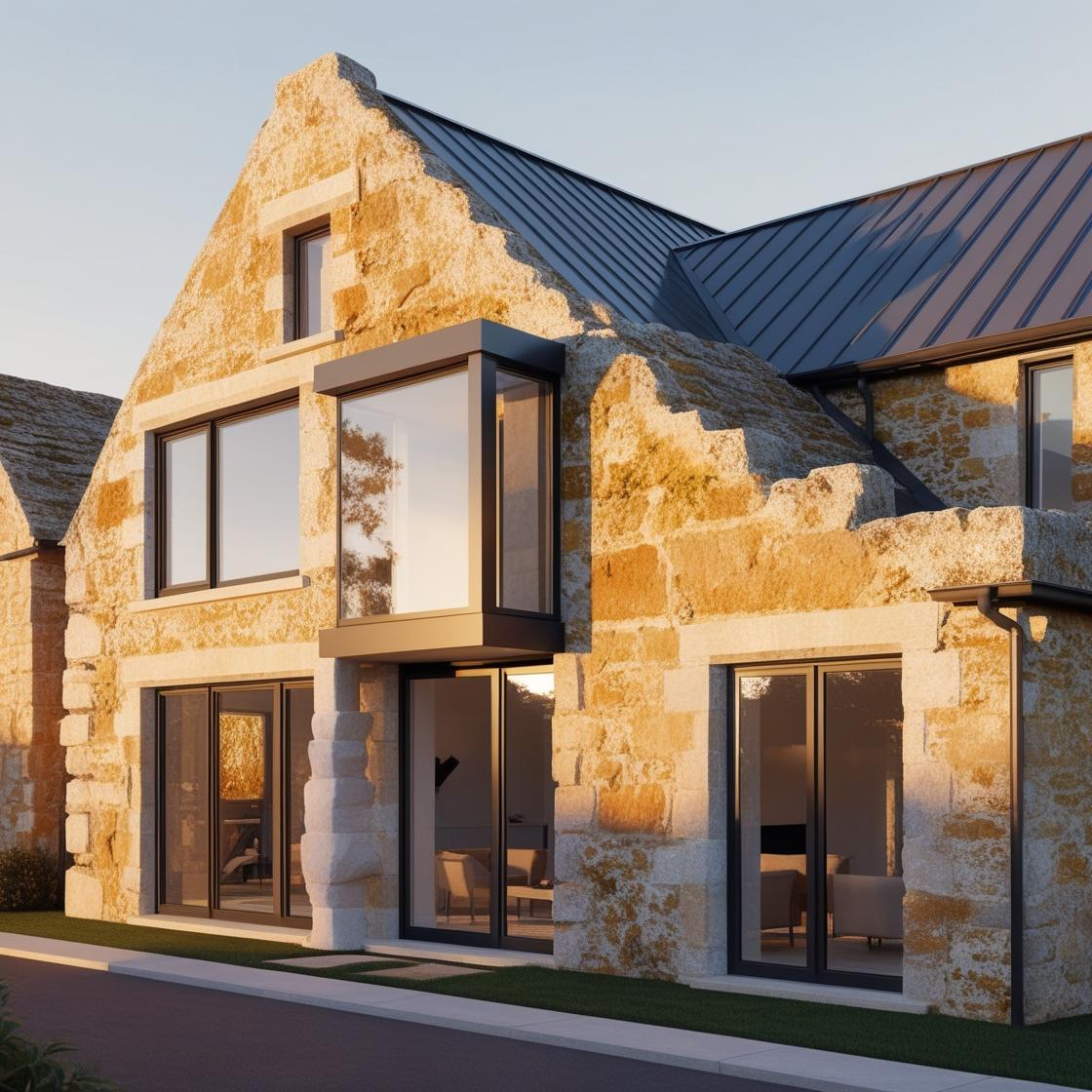
In the world of interior design, natural light is often considered one of the most effective tools for transforming a space. Not only does it enhance the aesthetic appeal of a room, but it also has a profound impact on mood, productivity, and overall well-being. When harnessed correctly, natural light can be your best design asset.
Whether you’re working with a dark, cosy room or a bright, airy space, there are plenty of ways to use natural light to enhance your interior design and create an inviting, uplifting atmosphere.
Here’s how to make the most of natural light in your home.
1. Make the Most of Window Placement
The most obvious way to invite natural light into your home is through well-placed windows. However, there’s more to it than just the size of the window itself.
- Maximise sunlight by placing large windows or glass doors in rooms that face the sun, particularly in the morning or afternoon.
- Consider window placement: North-facing rooms receive consistent, even light throughout the day, while south-facing rooms tend to get the most direct sunlight. East and west-facing rooms will catch the sun during the morning or evening, respectively.
- Use French doors or sliding glass doors to connect interior spaces with your outdoor areas, bringing in more natural light while blending the indoors with the outdoors.
2. Use Sheer Curtains or Blinds
Heavy curtains or blinds can block out much-needed light. Instead, opt for sheer curtains or light fabrics that allow the sunlight to filter through while offering some level of privacy.
- Sheer curtains add a soft, airy quality to the room, providing a gentle diffusion of light.
- Roman blinds or roller shades in light fabrics can also regulate the amount of light entering a space without compromising on style.
These options let you control the intensity of light while still letting your room bask in natural sunlight.
3. Incorporate Mirrors and Reflective Surfaces
Mirrors are an interior designer’s secret weapon when it comes to maximising natural light. Strategically placing mirrors in a room can help reflect light deeper into the space and make the room feel larger and more open.
- Position mirrors across from windows to bounce light around the room.
- Use reflective surfaces like glass tables, metal finishes, or polished stone to enhance light reflection and increase brightness in darker corners.
This trick is particularly useful in smaller or north-facing rooms, where light can be more limited.
4. Choose Light Colours for Walls and Ceilings
The colour of your walls and ceilings plays a crucial role in how natural light interacts with a space. Light, neutral colours reflect sunlight and make a room feel brighter and more spacious, while darker shades tend to absorb light, making rooms feel smaller and more intimate.
- Opt for soft whites, pale greys, or light pastels for walls.
- Consider a lightly reflective ceiling, which helps bounce light back down into the room. Glossy finishes or even pale metallic accents can work wonders here.
The right colours will not only enhance the natural light but also create a sense of airiness and openness.
5. Be Mindful of Landscaping
Your exterior space can significantly impact the amount of natural light that enters your home. Trees, tall plants, or buildings blocking your windows can limit sunlight.
- Trim or adjust the landscape around your windows to allow more light into the room.
- Consider light-coloured paving, reflective outdoor furniture, or even glass balconies to maximise sunlight in outdoor spaces, which in turn can help brighten adjacent rooms.
6. Use Natural Light to Highlight Architectural Features
One of the most beautiful aspects of natural light is its ability to reveal and accentuate architectural details. Use sunlight to highlight the key features of your home, such as high ceilings, exposed beams, or intricate mouldings.
- Accent walls can also benefit from natural light, as it helps bring out the colour and texture without overpowering the room with artificial lighting.
7. Open Plan Layouts to Encourage Flow
An open-plan layout allows natural light to flow freely from one room to another, creating a sense of continuity and openness. By removing unnecessary walls or partitions, light can move through the space unimpeded, bringing warmth and brightness to all areas.
- If you’re not keen on fully open spaces, consider using glass partitions or sliding doors to keep things open without sacrificing privacy or functionality.
8. Consider Skylights and Roof Windows
For homes with flat roofs or top floors, adding skylights or roof windows is an excellent way to introduce more natural light. These provide direct access to daylight, especially in spaces where wall windows may be impractical, such as bathrooms, staircases, or attics.
Skylights not only flood the room with light but also give you the feeling of openness to the sky, enhancing the overall atmosphere of your home.
Final Thoughts
Natural light is a powerful element in interior design. It has the ability to make rooms feel larger, more welcoming, and ultimately more serene. By strategically placing windows, using light fabrics, and incorporating reflective surfaces, you can ensure that your home is always illuminated in the most flattering way possible.
With a little planning, you can design a space that harnesses the beauty of natural light to enhance both its aesthetic and functionality. Let the light in and watch your home come alive.








Leave a comment