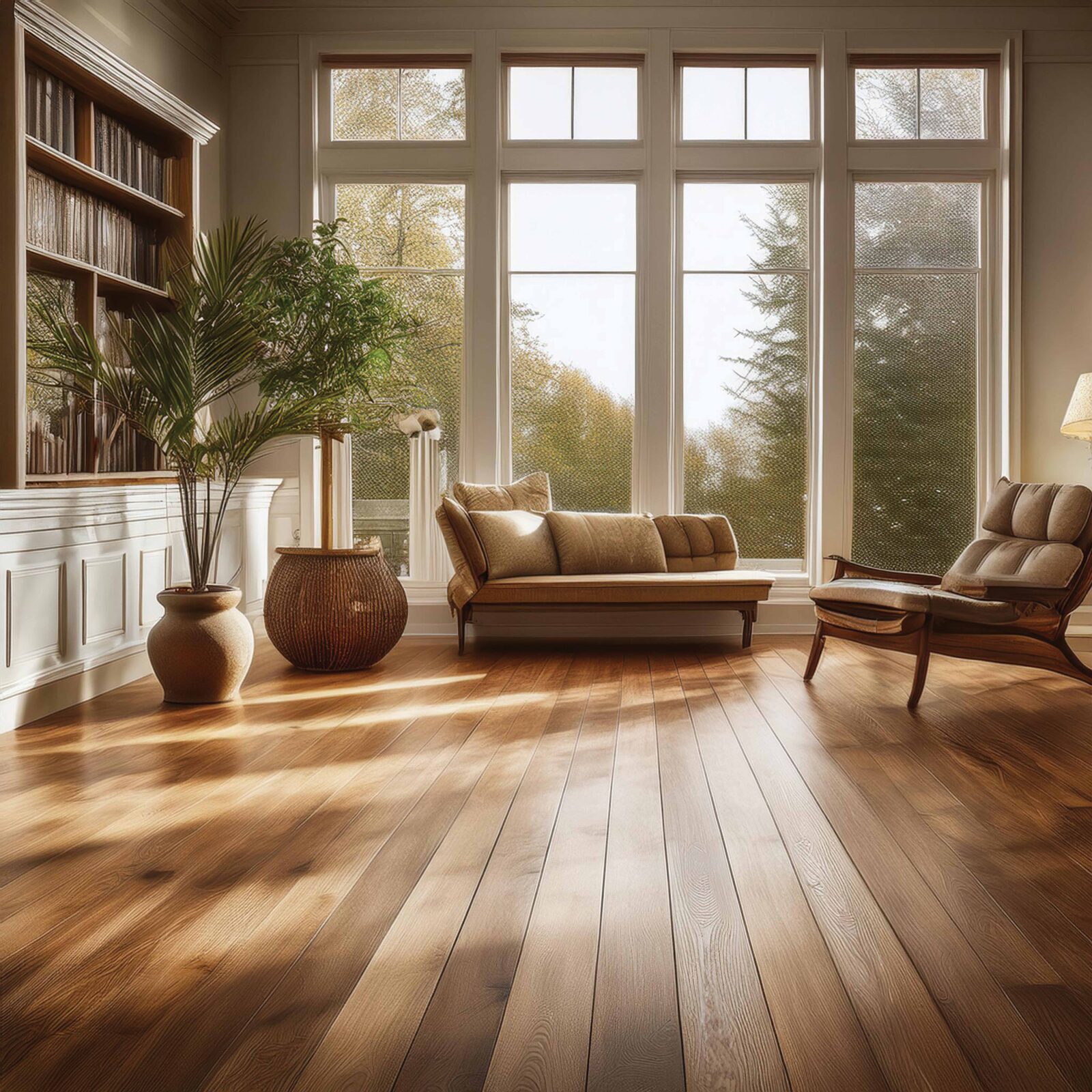
The Eco-Friendly Benefits of Swapping Hardwood Flooring for Reclaimed Wood
In recent years, sustainable living has gained traction, with homeowners increasingly seeking eco-conscious ways to renovate their spaces. One significant way to reduce your environmental footprint while still achieving a stunning aesthetic is by swapping traditional hardwood flooring for reclaimed wood.
Reclaimed wood not only enhances the character of your home with its unique history and charm but also supports sustainable practices by reducing deforestation and landfill waste. This blog delves into the pros and cons of both hardwood and reclaimed wood, highlighting why reclaimed wood is the eco-friendlier choice.
Hardwood Flooring: A Timeless Classic
Hardwood flooring has long been prized for its durability, warmth, and timeless appeal. However, its environmental impact is a growing concern for eco-conscious consumers.
Pros of Hardwood Flooring
- Durability: Hardwood floors can last decades, even centuries, with proper maintenance.
- Aesthetic Versatility: Comes in various species, grains, and finishes to suit different interior styles.
- Increased Home Value: Homes with hardwood flooring are often seen as more desirable, boosting resale value.
- Ease of Maintenance: Easy to clean and refinish, extending its lifespan.
- Insulation Properties: Wood helps retain heat, contributing to a cozy indoor environment.
Cons of Hardwood Flooring
- Environmental Impact: Hardwood flooring often comes from newly harvested trees, contributing to deforestation and habitat loss.
- Cost: High-quality hardwood can be expensive.
- Susceptibility to Moisture: Hardwood is prone to warping in high-humidity areas unless treated.
- Installation Challenges: Requires skilled labor for proper installation.
- Limited Sustainability: Sourcing sustainable hardwood can be challenging, and not all brands are transparent about their practices.
Reclaimed Wood Flooring: History Underfoot
Reclaimed wood refers to timber salvaged from old structures, including barns, factories, and warehouses. This wood is repurposed for new projects, including flooring, offering a unique blend of durability, character, and sustainability.
Pros of Reclaimed Wood Flooring
- Eco-Friendly: Reduces the demand for new timber, conserving forests and reducing waste.
- Unique Aesthetic: Each plank tells a story, with patinas, textures, and grains that add character.
- Durability: Often sourced from old-growth trees, reclaimed wood is denser and more durable than many modern hardwoods.
- Versatility: Can be refinished or repurposed into other items once its flooring life ends.
- Sustainability Certification: Many reclaimed wood suppliers offer certified products, ensuring ethical sourcing.
Cons of Reclaimed Wood Flooring
- Cost: While eco-friendly, reclaimed wood can be more expensive due to the labor-intensive salvaging and refinishing process.
- Limited Supply: Availability depends on the supply of old structures, which can limit choices.
- Preparation Required: Requires cleaning, de-nailing, and refinishing, which can add to installation time.
- Variation: The unique character of reclaimed wood can result in inconsistent plank sizes or finishes.
- Pest Concerns: If not properly treated, reclaimed wood may harbour pests or fungi.
Eco-Friendly Benefits of Reclaimed Wood
Swapping hardwood flooring for reclaimed wood offers significant environmental advantages:
1. Reduced Deforestation
- Hardwood Flooring: New hardwood requires cutting down trees, which contributes to deforestation and biodiversity loss.
- Reclaimed Wood: Utilises existing wood, reducing the need for logging and preserving forests.
2. Conservation of Resources
Reclaimed wood gives a second life to timber that would otherwise go to waste, conserving valuable resources like water and energy used in harvesting and processing new wood.
3. Lower Carbon Footprint
- Processing reclaimed wood typically uses less energy than manufacturing new hardwood, reducing greenhouse gas emissions.
- Reclaimed wood also diverts waste from landfills, where decomposing wood contributes to methane emissions.
4. Preservation of Old-Growth Timber
- Much reclaimed wood comes from old-growth forests, where trees matured for hundreds of years before being harvested. This wood is denser, stronger, and more durable than many modern fast-growth hardwoods.
5. Promotes Circular Economy
- By reusing materials, reclaimed wood aligns with the principles of a circular economy, reducing reliance on virgin materials and supporting sustainable consumption patterns.
6. Unique Aesthetic Appeal Without Compromising the Environment
Reclaimed wood’s aged patina, knots, and weathered textures offer unmatched charm while avoiding the environmental cost of producing new materials.
Comparing Hardwood and Reclaimed Wood: Which Is Better for Your Home?
Hardwood Flooring
- Best For: Homeowners seeking a uniform look and are willing to invest in sustainable hardwood certified by organisations like FSC (Forest Stewardship Council).
- Challenges: High environmental cost and potential ethical concerns surrounding sourcing.
Reclaimed Wood Flooring
- Best For: Eco-conscious homeowners looking for unique, character-filled flooring that aligns with sustainable values.
- Challenges: May require more upfront preparation and investment.
How to Incorporate Reclaimed Wood in Your Home
If you’re convinced that reclaimed wood is the right choice, here are some tips for incorporating it into your home design:
Match to Your Style
- Rustic or farmhouse interiors pair beautifully with heavily weathered wood.
- Modern or minimalist spaces benefit from cleaner, refinished planks.
Ensure Proper Treatment
- Work with reputable suppliers to ensure the wood is properly cleaned, kiln-dried, and treated for pests or fungi.
Combine with Other Materials
- Pair reclaimed wood floors with sleek metal or glass accents for a contemporary contrast.
Consider Different Applications
- Use leftover reclaimed wood for other projects, such as wall paneling, furniture, or shelving.
Is Reclaimed Wood Worth It?
Choosing reclaimed wood over traditional hardwood is not just about aesthetics—it’s a commitment to sustainability. While it may require a higher initial investment, the environmental and character-driven benefits of reclaimed wood make it a compelling choice for eco-conscious homeowners.
Why Homeowners Love Reclaimed Wood
- Timeless Beauty: Adds warmth and history to any space.
- Eco-Friendly Legacy: Creates a more sustainable home while contributing to forest conservation.
- Durability: Built to last and can be repurposed multiple times.
Final Thoughts
Swapping hardwood flooring for reclaimed wood is a powerful way to make your home more sustainable without sacrificing style or durability. Reclaimed wood not only reduces the environmental impact of your renovation but also adds a unique story and character to your space.
While both hardwood and reclaimed wood have their pros and cons, reclaimed wood emerges as the eco-friendly champion in today’s environmentally conscious world. Whether you’re restoring a farmhouse or modernising a city loft, reclaimed wood flooring is an investment in both your home’s future and the planet’s wellbeing.








Leave a comment